Sustainable Solutions: How E-Waste Recycling Services Are Saving Our Planet
E-waste represents a considerable hazard to the environment, as disposed electronics frequently harbor hazardous substances. Such dangerous compounds can pollute soil and water supplies, leading to broader ecological damage. E-waste recycling services present a viable solution. They not only recover valuable resources but also mitigate pollution. Gaining insight into how these programs function and affect local communities is critical. Pursuing efficient e-waste management brings forth pressing questions regarding individual duties and shared responsibility. What steps can be taken next?
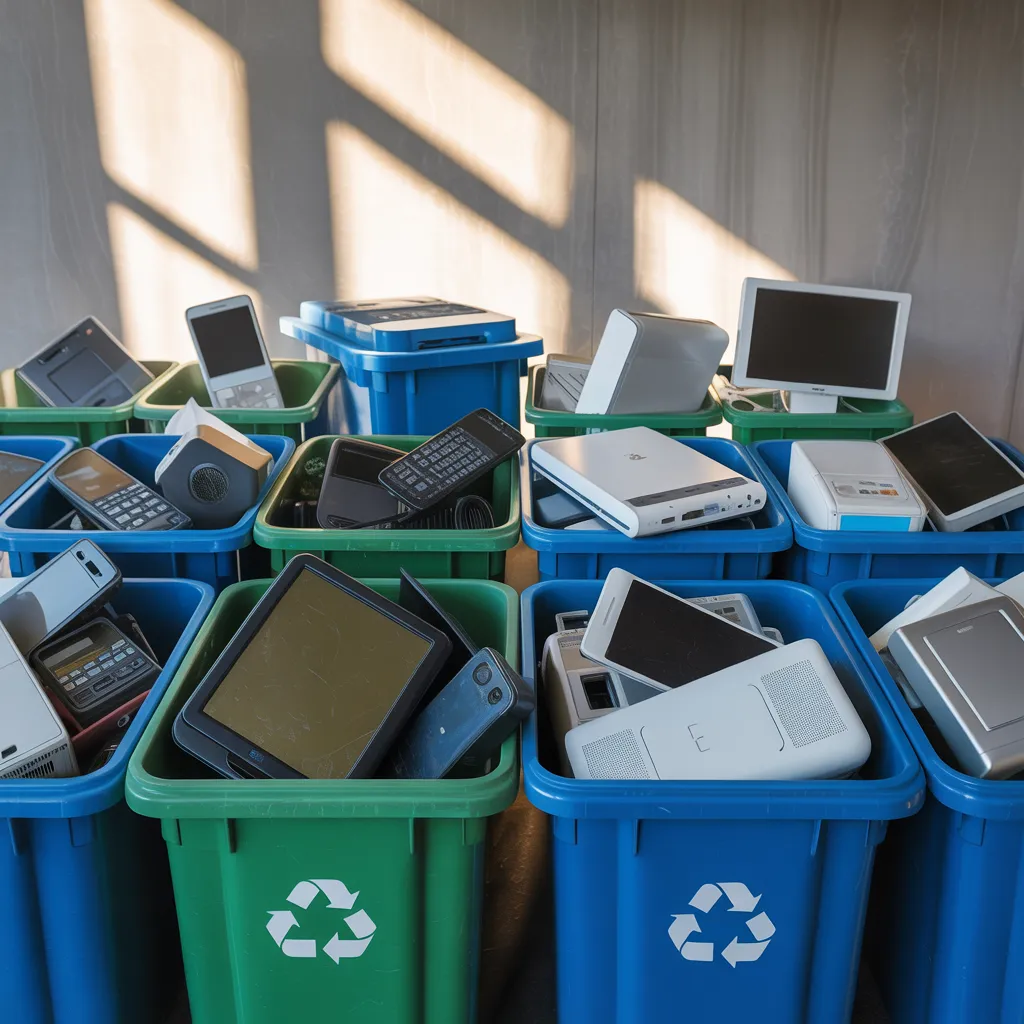
The Reasons E-Waste Is Damaging to the Planet
Although technology enriches modern life, e-waste poses serious threats to the environment. Disposed electronic equipment, often containing dangerous compounds like mercury, lead, and cadmium, are capable of seeping pollutants into soil and groundwater, creating hazards for human health and ecosystems. The rapid pace of technological advancement results in higher rates of electronics disposal among consumers, intensifying the growing problem of discarded electronic materials.
Landfills, already burdened with waste, struggle to accommodate the growing volumes of discarded gadgets. Incineration, a common waste management technique, emits dangerous pollutants into the environment, degrading atmospheric conditions. Furthermore, inadequate recycling methods can result in the shipment of electronic waste to underdeveloped nations, where workers may break down equipment without proper protective measures, putting themselves at risk of exposure to hazardous materials. This ongoing cycle of carelessness and inadequate management emphasizes the pressing necessity for responsible recycling initiatives that can lessen the harmful consequences of e-waste on our world.
What Is E-Waste and Its Importance?
E-waste, or electronic waste, comprises discarded electronic devices such as televisions, computers, and smartphones that are no longer functional or needed. This increasingly prevalent form of waste is important because of its swift buildup, propelled by advances in technology and evolving consumer behaviors. As more devices become obsolete, the ecological consequences become more pronounced, with toxic materials such as lead, mercury, and cadmium presenting serious hazards to the environment and human well-being.
Addressing e-waste is crucial not only for reducing these dangers but also for acknowledging the precious materials found within it. Precious metals and rare earth elements can be recovered and reused, reducing the need for mining and conserving natural resources. By understanding e-waste and its implications, individuals and organizations can make informed decisions about disposal and recycling, ultimately contributing to a more sustainable future. Effective handling of e-waste is vital for encouraging a circular economy and advancing environmental responsibility.
How the E-Waste Recycling Process Works
The recycling of e-waste encompasses a systematic process designed to recover valuable materials while reducing harm to the environment. At the outset, e-waste is collected and transported to dedicated processing centers. Upon arrival, the devices undergo thorough sorting to distinguish harmful elements from reusable resources.
Subsequently, specialists dismantle the devices, extracting glass, metals, and plastics. This stage is crucial, as it enables the extraction of high-value metals like silver, gold, and copper, which can be reused in new electronics.
Subsequently, the sorted materials are treated through sophisticated techniques, such as mechanical shredding and chemical processing, to cleanse them for repurposing.
Ultimately, the remaining Visit here dangerous materials are managed properly, complying with environmental regulations. This comprehensive process not only conserves resources but also mitigates the risks associated with improper e-waste disposal, securing a more eco-conscious future for electronic consumption.
Advantages of E-Waste Recycling for You and Your Community
Though many people are unaware, the positive effects of e-waste recycling go far beyond individual benefit and actively shape entire communities. By responsibly disposing of electronic waste, individuals contribute to a healthier environment, decreasing harmful substances that can contaminate soil and water. This proactive approach works to protect local ecosystems and advances public health.
Furthermore, electronic waste recycling supports the creation of jobs in communities. Local recycling facilities often require personnel for diverse activities, from collection to processing, thereby providing employment opportunities for community members. This not only strengthens the regional economy but also encourages community engagement in sustainable practices.
In addition, knowledge about e-waste recycling may result in educational initiatives, enabling residents to embrace sustainable practices. By engaging with e-waste recycling programs, individuals nurture a culture of sustainability, motivating others to follow suit. Overall, the cumulative impact of these actions can contribute to a more resilient and environmentally responsible community.
How to Select an E-Waste Recycling Service
Picking the right e-waste recycling service is vital for guaranteeing that e-waste is processed with responsibility and sustainability. To begin, people should confirm the company's credentials, such as R2 or e-Stewards, which demonstrate conformance to industry standards for secure waste disposal procedures. It's also important to evaluate the provider's credibility by reviewing feedback and obtaining referrals from reliable sources.
Furthermore, clarity in the recycling process is essential. A reliable company should supply straightforward details about the way e-waste is handled and how the materials are utilized. Moreover, evaluating the range of services offered can be beneficial; certain providers may offer collection services or present rewards for recycling.
Furthermore, understanding area-specific requirements for e-waste disposal can further guide the selection process. By taking these elements into account, residents can actively participate in effective e-waste management while supporting sustainable environmental efforts.
How You Can Take Part in E-Waste Recycling?
Participating in e-waste recycling often starts at the local level, where community recycling hubs often provide essential services for proper disposal. Furthermore, joining community awareness campaigns can strengthen efforts to inform others regarding the importance of ethical e-waste practices. These actions not only advance environmental sustainability but also foster a collective sense of stewardship of the environment.
Community Recycling Locations
Several neighborhood recycling stations fulfill a critical purpose in recycling electronic waste, supplying communities with reliable ways to handle electronic waste in a responsible manner. These facilities handle a variety of electronic items, including used computers, handheld devices, and televisions, guaranteeing that dangerous substances are processed safely. The majority of facilities employ trained staff who help individuals navigate appropriate disposal procedures, emphasizing the importance of recycling over landfilling. Furthermore, many centers offer drop-off events or designated collection days, making participation convenient for residents. By engaging with these local facilities, residents support a circular economy, minimizing ecological impact and fostering sustainable behaviors. Working alongside these hubs enables communities to combat e-waste pollution successfully.
Community Awareness Campaigns
Nearby organizations, schools, and enterprises can work together to organize events that support e-waste collection drives. Volunteers can play a pivotal role in raising awareness, sharing informational resources, and connecting with local residents. As a result of these combined actions, local inhabitants gain greater awareness and encouragement to properly recycle their e-waste, thus playing a meaningful role in creating a more environmentally responsible future.
Common Questions and Answers
What Types of Electronics Can Be Recycled?
Many different electronics may be recycled, including laptops, televisions, smartphones, printers, computers, and gaming consoles. In addition, accessories such as mice, keyboards, and batteries are equally appropriate for recycling, contributing to sustainable environmental practices.
Are There Any Costs Associated With E-Waste Recycling?
Yes, electronic waste recycling may involve charges, subject to the service provider. Certain providers apply costs for pickup or handling, while other facilities offer free services, typically funded by the resale of recovered materials.
How Can Businesses Benefit From E-Waste Recycling?
Businesses can benefit from e-waste recycling by reducing disposal costs, enhancing their environmental image, adhering to regulatory requirements, extracting valuable resources, and possibly earning income through resale, ultimately contributing to a more sustainable operational strategy.
What Occurs with Data on Recycled Devices?
Details on repurposed devices is often completely removed or destroyed during processing. This ensures sensitive information stays protected, preventing unauthorized access while permitting resources to be recycled carefully and ethically across new manufacturing processes.
Can I Recycle Broken Electronics?
Yes, broken electronics can be recycled. Numerous recycling centers accept non-functioning devices, providing safe disposal and recovery of precious materials. This effort helps lower harm to the environment while fostering sustainable recycling habits to control electrical waste efficiently.